

Guide To Missouri Workers Compensation Back Injury Cases
Back injuries in the workplace are common and can be debilitating, affecting an individual's ability to work and enjoy daily activities. For employees in Missouri, understanding the nuances of back injuries in the workplace and the legal recourse available through...

Understanding Missouri Workers Compensation Shoulder Injury Cases
Work-related shoulder injuries are a common and often debilitating consequence of accidents on the job. Whether you work in a physically demanding profession like construction or in an office setting, shoulder injuries can happen to anyone. Let's take a closer...

Mediation For Missouri Workers’ Compensation Injury Claim
If you've suffered a work-related injury in Missouri, navigating the workers' compensation system can be a complex and challenging journey. Mediation is a valuable tool that can help injured workers and insurance companies reach a mutually agreeable resolution, avoiding the...

Work With Missouri Injury Attorney For Maximum Car Accident Settlement
Car accidents can be traumatic and leave victims dealing with physical, emotional, and financial burdens. If you've been injured in a car accident in Missouri due to someone else's negligence, it's crucial to maximize your settlement to cover your medical...
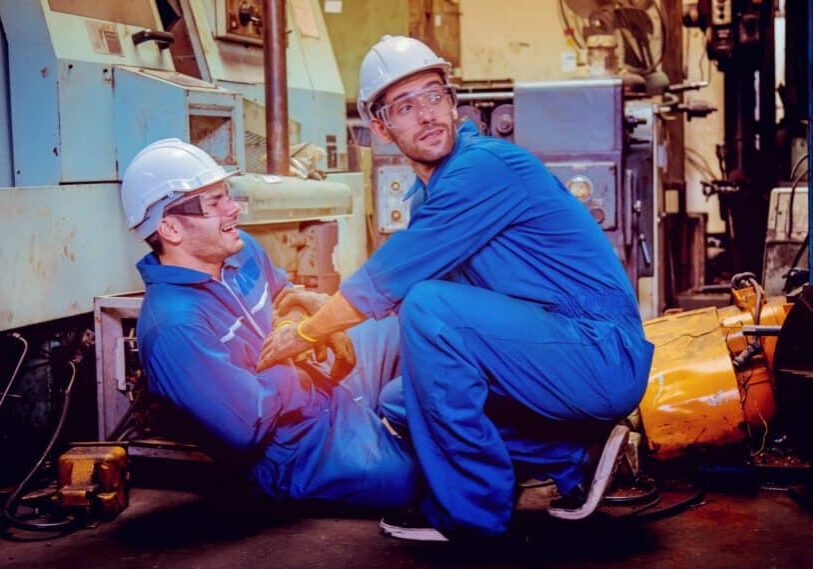
Taking the Right Steps After a Mid Missouri Workplace Injury
Suffering a workplace injury in Mid Missouri can be a physically and emotionally challenging experience. Knowing what steps to take in the aftermath is crucial for your well-being and to protect your rights. As a dedicated Mid Missouri workers' compensation...

Arkansas Personal Injury Lawyer Guide What To Do After Car Accident
Car accidents can be distressing and chaotic. After a collision, it's vital to stay calm and take specific steps to protect your well-being and your legal rights. As your trusted Arkansas personal injury lawyer, let us guide you through what...

Simplified Guide To The Disability Process By Your Columbia Missouri Disability Lawyer
Facing a disability can be a tough journey. Especially when it limits your ability to work and support yourself. In Columbia, Missouri, people with disabilities who can no longer work have access to essential support through Social Security Disability benefits....
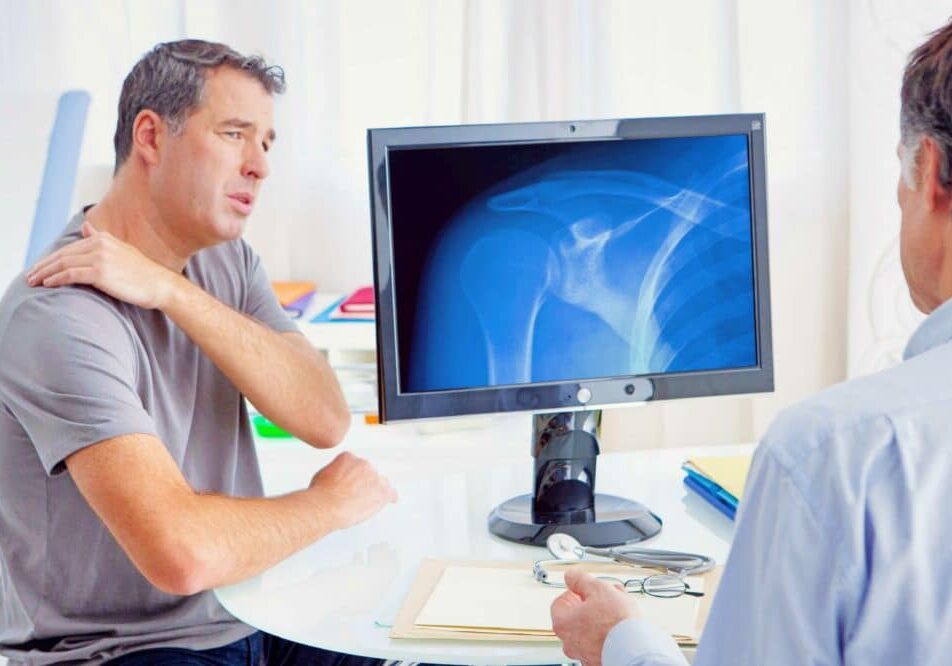
Arkansas Social Security Disability Benefits For Shoulder Conditions
If you've been suffering with chronic shoulder pain, even the simplest tasks can be a challenge. Let's take a closer look at the difficulties of working with bad shoulders and how seeking Arkansas Social Security disability benefits can provide much-needed...
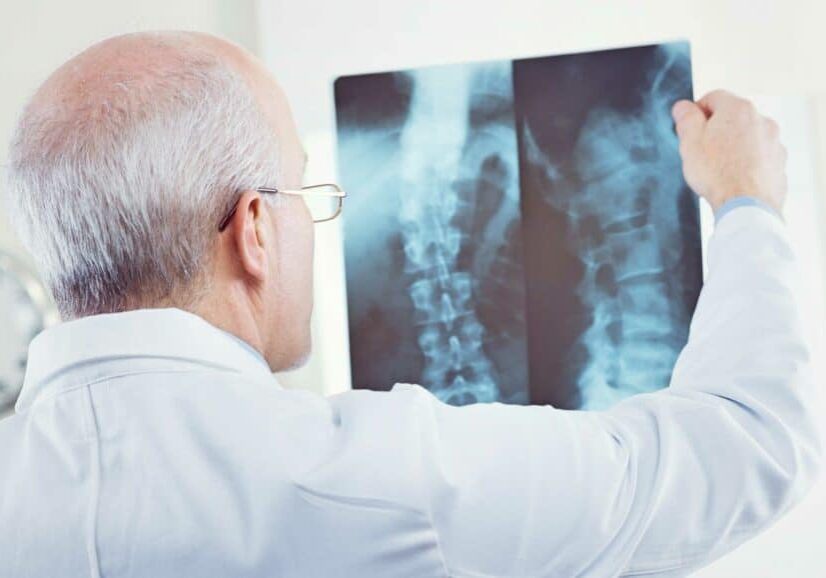
Columbia Missouri Work Injuries That Require Back Surgery
Work injuries in Columbia Missouri can be very challenging, especially when they are severe enough to involve back surgery. Missouri workers who find themselves in such situations may wonder about their rights, options, and the importance of legal assistance. Let's...
Can I Get Missouri Social Security Disability Benefits If I Have Arachnoiditis?
If you've been suffering with arachnoiditis, you may have wondered, "Can I get Missouri Social Security Disability benefits?" The following would be important to a winning Missouri Disability case for someone with arachnoiditis: Diagnosis and Symptoms Arachnoiditis is a rare...